Tel: +85368902598
E-mail: tina@fyendoscopy.com

Tel: +85368902598
E-mail: tina@fyendoscopy.com
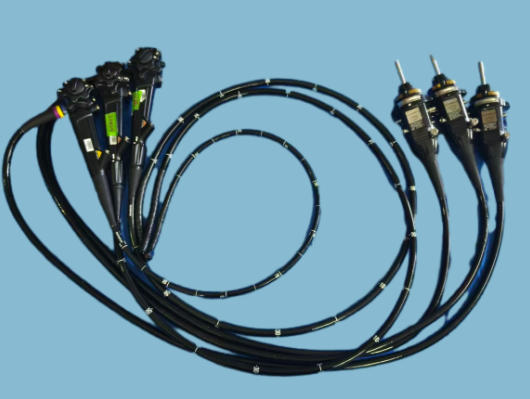
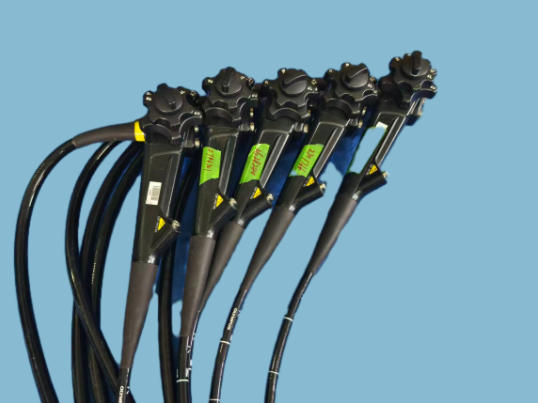
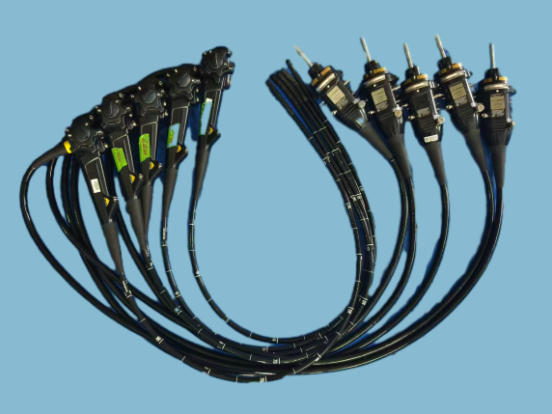
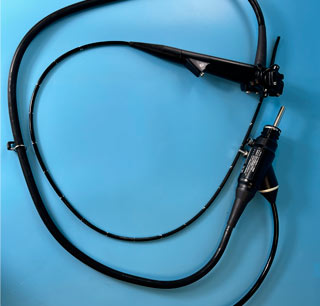
With a large field of view, Olympus gastroscopes enable a comprehensive examination of the esophagus, stomach, and duodenum, providing clinicians with valuable information for diagnosing conditions such as gastroesophageal reflux disease (GERD), gastritis, peptic ulcers, and H. pylori infection.
Some models feature the i-scan image enhancement technology, which uses digital processing to improve the visibility of tissue structure, enabling more accurate detection of subtle lesions or abnormalities. This technology is particularly useful in screening for cancers and early detection of gastrointestinal diseases.
The user-friendly control systems on Olympus gastroscopes allow for easy operation and smooth navigation. Many scopes come with automated cleaning features, minimizing the risk of infection and making the post-procedure cleaning process more efficient.
Olympus gastroscopes come with various working lengths, allowing for more flexibility and access during procedures. Their reach ensures that even difficult-to-access areas, such as the farthest parts of the duodenum, can be examined effectively.
The latest Olympus gastroscopes are engineered with soft, flexible tips and smooth insertion mechanisms, ensuring minimal discomfort for patients. This feature is particularly beneficial during sedation-free procedures or when performing diagnostic screening in patients who may not be suitable for general anesthesia.
Olympus gastroscopes are indispensable in a wide range of diagnostic and therapeutic applications, including:
Routine screening for esophageal and gastric cancer.
Diagnosis of peptic ulcers, gastritis, and gastroesophageal reflux disease (GERD).
Biopsy collection for tissue analysis.
Treatment of bleeding ulcers or varices through therapeutic interventions like banding or injection therapy.
Endoscopic retrograde cholangiopancreatography (ERCP) for biliary tract examinations, in some gastroscope models.